Garage Door Motor Noise Repair – How to Diagnose and Fix Noisy Garage Door Motors in 2026
Understanding Why Your Garage Door Motor Makes Noise
The first residential garage door repairs near me step in effective garage door motor noise repair is understanding why the motor makes noise. Garage door motors are complex systems involving electric motors, gear assemblies, drive belts or chains, and pulleys that all work together to open and close the door smoothly.
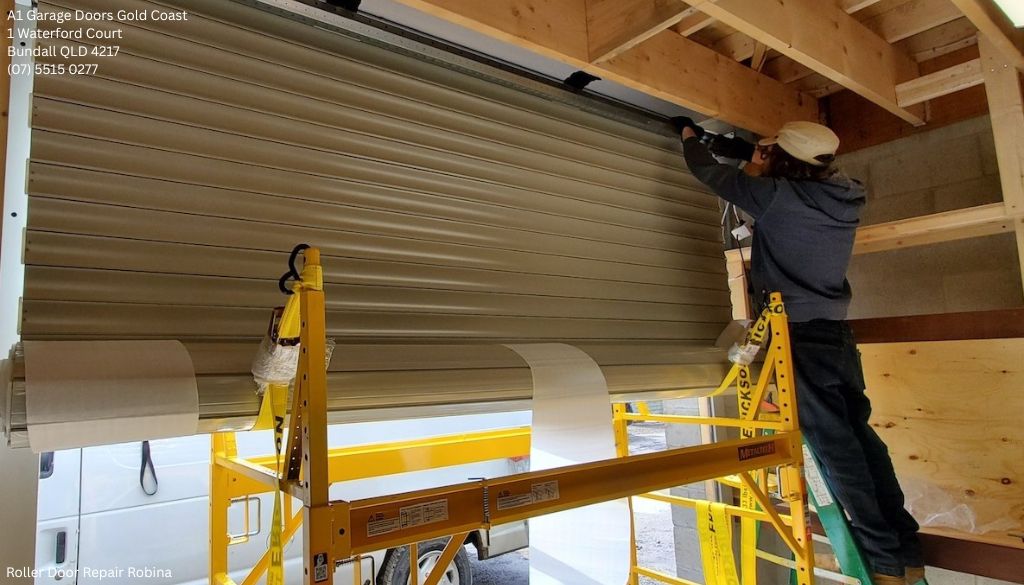
Common sources of garage door motor noise include the electric motor itself, worn motor bearings, gear assembly wear and tear, and mechanical components like hinges and rollers. Noise can also stem from control switch malfunctions or electrical faults within the motor unit.
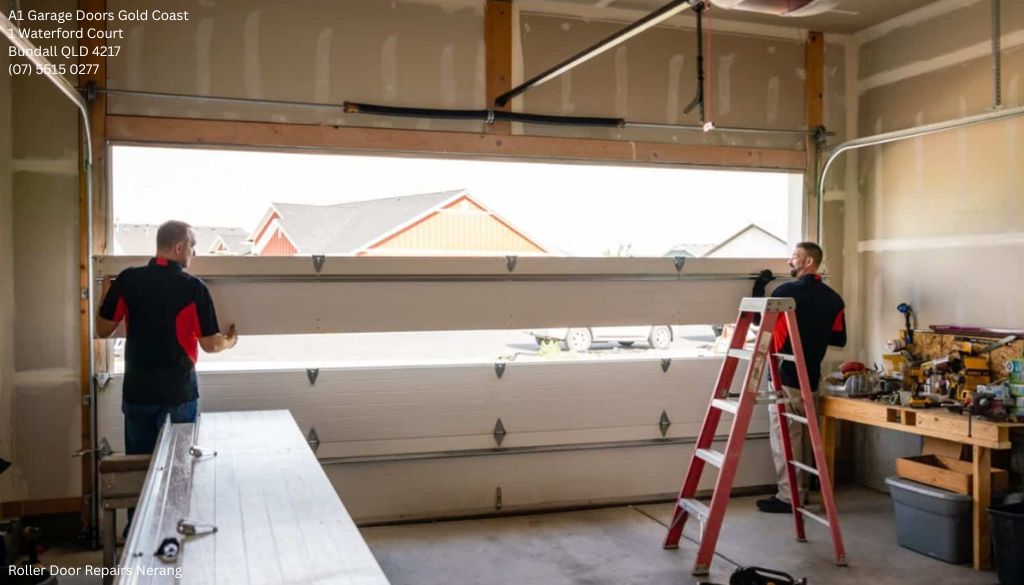
Electric motor noise causes vary from rubbing components inside the motor, friction in motor shafts, to overheating issues leading to buzzing or humming sounds. Gear assembly noise often results from worn or stripped gears causing grinding or clicking noises. Additionally, vibrations from a poorly mounted motor or misaligned door components contribute to excessive sound during operation.
Common Causes of Garage Door Motor Noise
Several factors can cause your garage door motor to produce noise. Identifying these common causes allows targeted repairs for noise reduction.
- Drive Belt Noise: Worn, loose, or damaged drive belts cause slapping or squealing sounds.
- Chain Drive Noise: Lack of lubrication or stretched chains create rattling or grinding noises.
- Lubrication Issues: Dry rollers, hinges, or pulleys increase friction and result in squeaking or creaking sounds.
- Pulley System Malfunction: Damaged or misaligned pulleys cause uneven tension and noise during door movement.
- Roller Wheels Squeaking: Worn or dirt-laden rollers generate high-pitched squeaks.
- Hinge Squeak: Hinges lacking lubrication cause intermittent squeaking as the door moves.
- Motor Thermostat Problems: Overheating motors may emit buzzing or humming sounds indicating thermostat failure.
- Wiring Issues and Electrical Faults: Loose wiring, corrosion, or circuit board problems lead to erratic motor noise or intermittent functioning.
- Power Supply Interruptions: Voltage fluctuations causing motor humming or starting difficulties.
Step-by-Step Guide to Diagnosing Garage Door Motor Noise
Accurate diagnosis lays the foundation for effective repair. Follow these diagnostic techniques to pinpoint noise sources in your garage door motor and system.
How to Identify Mechanical versus Electrical Noise Sources
Distinguishing between mechanical and electrical noise ensures you address the correct root cause.
- Gearbox Repair Signs: Grinding or clicking noises typically indicate worn gear assemblies requiring inspection.
- Motor Mount Vibrations: Excessive vibrations causing rattling suggest loose or damaged motor mounts.
- Motor Controller Fault Symptoms: Buzzing or humming without door movement points to control switch or circuit board faults.
- Door Alignment and Track Issues Causing Noise: Misaligned doors or bent tracks contribute to scraping or banging noises separate from motor sounds.
Additional checks include examining the motor shaft for wobbling, testing the control switch responsiveness, and verifying safety sensors and limit switches for proper operation. Testing the manual release mechanism helps determine if mechanical binding affects noise levels.
How to Repair Garage Door Motor Noise
Once diagnosed, apply these proven repair methods to fix common causes of garage door motor noise.
- Lubrication Best Practices for Noise Reduction: Use specialized garage door lubricants on rollers, hinges, pulleys, chains, and drive belts. Avoid over-lubrication which attracts dust and debris.
- Replacing Worn Drive Belts or Chains: Inspect belts and chains for wear, fraying or stretching. Replace any damaged components with manufacturer-approved parts to restore quiet operation.
- Motor Bearing Replacement Process: Noisy or grinding bearings require removal and installation of new bearings, a task done carefully to avoid motor damage.
- Tightening Cable Tension and Spring Adjustment: Correct cable tension and adjust torsion or extension springs to optimal balance reduce strain and noise during door cycles.
- Adjusting Door Balance and Door Panel Alignment: Realign door panels and tracks to ensure smooth rolling, minimising rattles and motor load noise.
- Motor Replacement Overview: For irreparable motors characterised by persistent noise and overheating, full motor replacement restores silent, reliable performance.
Preventative Maintenance Tips to Reduce Garage Door Motor Noise
Implementing routine maintenance ensures long-term noise prevention and extends the life of your garage door motor system.
- Regular Garage Door Maintenance Checklist: Monthly inspection of moving parts, lubrication, cable and spring tension checks, and cleaning prevents noise buildup.
- Noise Insulation and Soundproofing Techniques: Adding foam insulation or rubber weather seals dampens vibrations and reduces external noise transmission.
- Weather Seal Installation to Reduce Vibration: Properly fitted weather seals at door edges absorb shocks and minimise motor strain.
- Motor Thermostat Care and Motor Speed Settings: Monitor motor temperature and adjust speed settings for quieter operation, preventing overheating noise.
- Emergency Release and Safety Sensor Upkeep: Regularly test and clean sensors and emergency release cables to avoid false triggers and associated noise.
When to Call a Professional for Garage Door Motor Noise Repair
While many noise issues are manageable with DIY methods, some situations warrant expert intervention.
- Signs of Serious Electrical Fault vs. DIY Fixable Issues: Persistent buzzing, sparks, burning smells, or motor not responding signal electrical faults requiring qualified electricians.
- Evaluating Cost-Effectiveness of Motor Replacement: Professionals can advise if repair or replacement offers better value based on motor condition.
- Benefits of Professional Noise Reduction and Vibration Damping Services: Experts use specialised tools and soundproofing materials to achieve optimal noise control beyond basic fixes.
Frequently Asked Questions About Garage Door Motor Noise Repair
- What causes my garage door motor to make grinding noises? Grinding usually indicates worn gears or motor bearings needing inspection and likely replacement.
- Can lubrication fix all types of motor noise? Lubrication helps reduce noise caused by friction but won't resolve electrical faults or severe mechanical damage.
- How often should I maintain my garage door motor? A monthly visual and lubrication check with annual professional servicing is recommended for optimal performance.
- Is it safe to repair the motor myself? Basic maintenance and minor repairs are safe with proper precautions; however, electrical repairs and motor replacements should be performed by professionals.
- How much does professional garage door motor noise repair cost? Costs vary widely depending on the problem severity, from $100 for minor repairs to several hundred dollars for motor replacement.
Our Sponsor
A1 Garage Doors Gold Coast
A1 Garage Doors Gold Coast is a Bundall-based garage door specialist serving the southern Gold Coast and surrounding suburbs with installation, repair, maintenance, and emergency garage door services. The company specializes in sectional doors, roller doors, garage door openers, spring and cable replacement, opener motor repair, smart-enabled installations, and 24/7 emergency call-outs across Robina, Burleigh Heads, Surfers Paradise, Nerang, Coomera, and the wider Gold Coast region.
Address:
1 Waterford Court,
Bundall,
QLD
4217,
Australia
Phone: (07) 5515 0277
Business Hours:
- Open 24/7 — Including After-Hours and Emergency Call-Outs
Follow Us: